Nexus Market maintained multiple mirror links for reliability. Each mirror connected to the same backend servers. The mirrors provided redundancy when one link experienced issues or went offline temporarily.
All mirrors displayed identical content and functionality. Your account worked across any verified mirror. The platform synchronized data in real-time across all mirrors ensuring consistency.
When the primary link was slow or inaccessible, users switched to backup mirrors. The mirror system helped maintain service availability during high-traffic periods or when individual onion links faced connectivity issues.
Mirrors rotated periodically for security purposes. The administrative team updated onion addresses regularly. This prevented law enforcement targeting of specific servers.
Each mirror had unique onion address. The cryptographic addresses provided natural verification. Slight address differences indicated fake sites attempting deception.
Users bookmarked verified mirrors for quick access. The Tor Browser bookmark system worked identically to regular browsers. Bookmarking prevented repeated verification steps.
Mirror rotation schedules remained unpredictable by design. Security through obscurity helped prevent targeted attacks. Users checked this clearnet site for current mirror information.
Load balancing distributed traffic automatically. The system detected slow mirrors. Traffic redirected to faster alternatives when available.
Geographic location affected mirror speeds. Servers distributed globally served regional users. European mirrors performed best for European users typically.
Testing multiple mirrors found optimal connections. Connection speeds varied throughout days. Users identified preferred mirrors through experimentation.
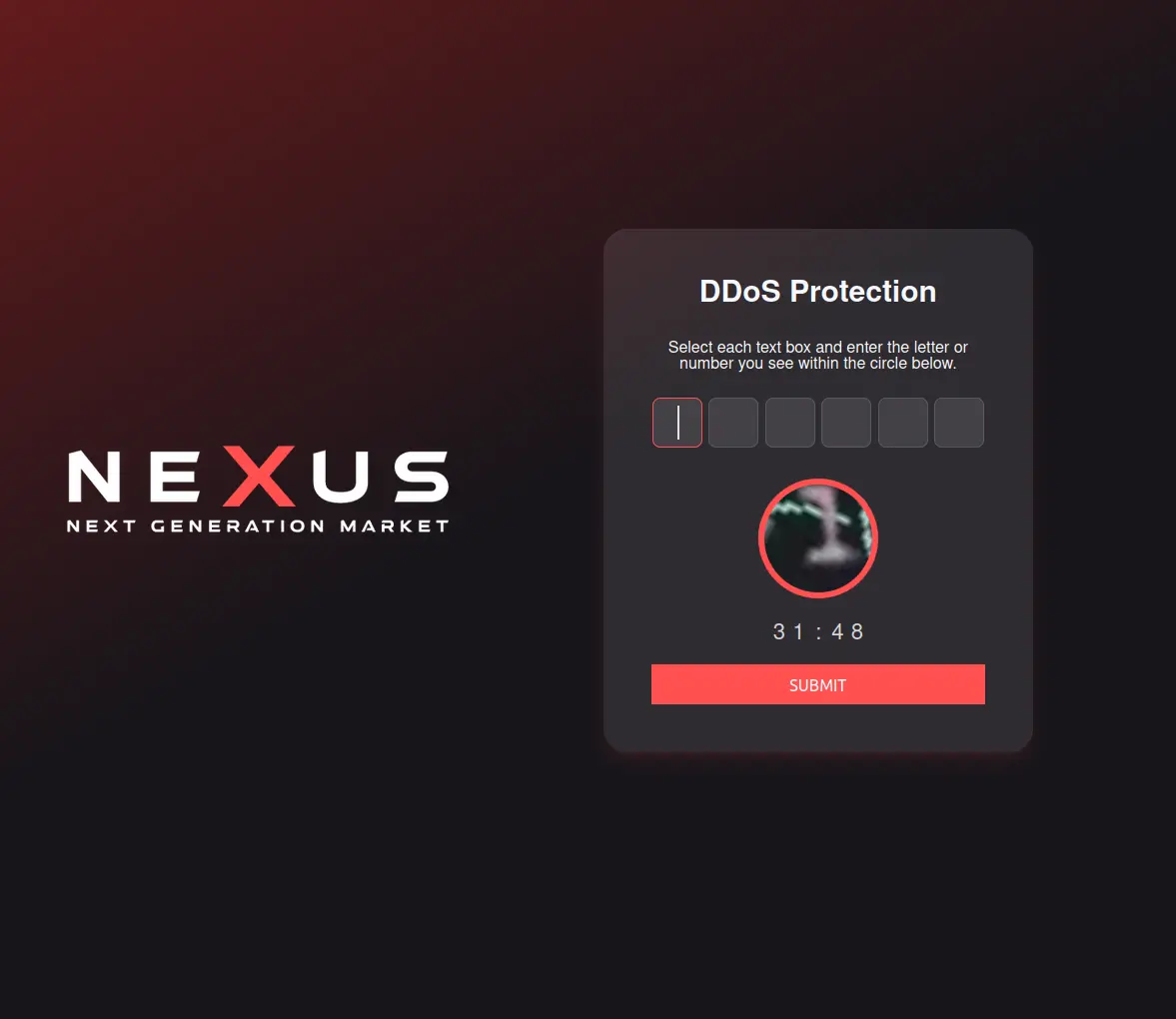
Mirror availability fluctuated during attacks. DDoS protection activated automatically. The redundancy ensured platform remained accessible overall.
Announcement systems warned about maintenance. Scheduled downtime appeared on all mirrors. Users planned access around maintenance windows.
The mirror infrastructure required significant resources. Server costs increased with mirror count. This investment demonstrated platform commitment historically.